1897 Düsseldorf – 1945 Amelunxen Castle
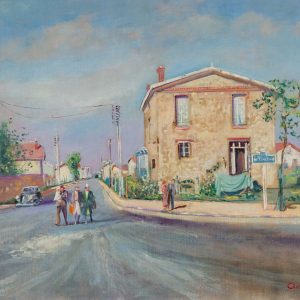
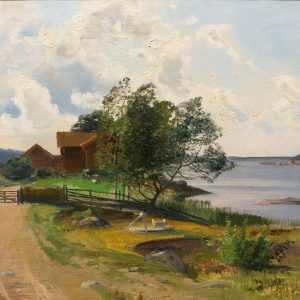
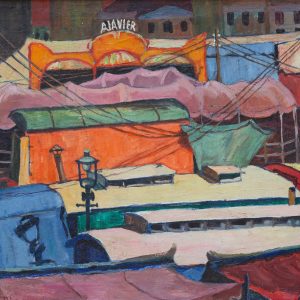
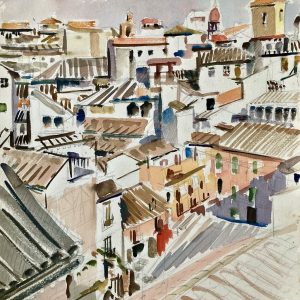
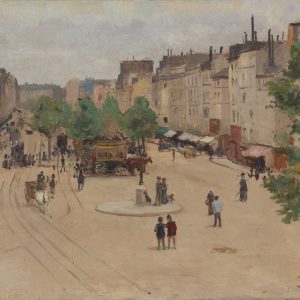
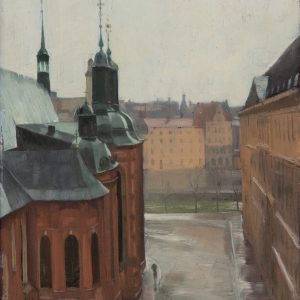
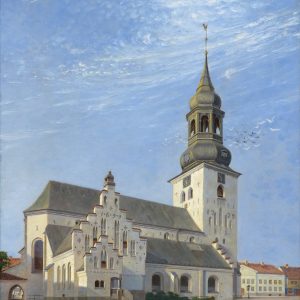
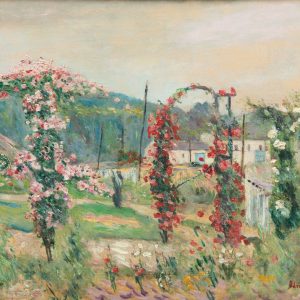
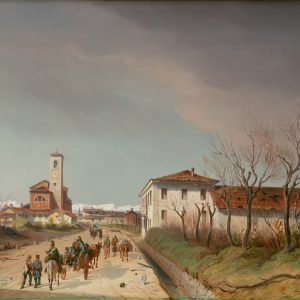
„Corneliusplatz“, 1919
60,5 x 55 cm
Oil on canvas
Fine Art
Galerie Paffrath
9,500 €
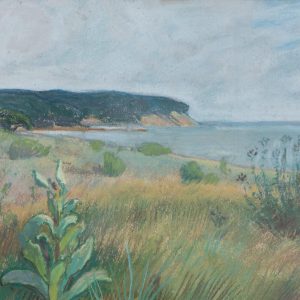
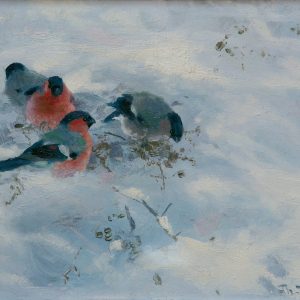
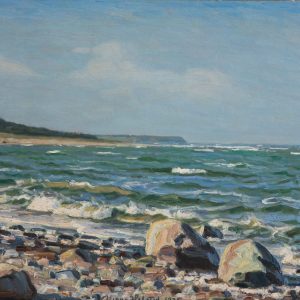
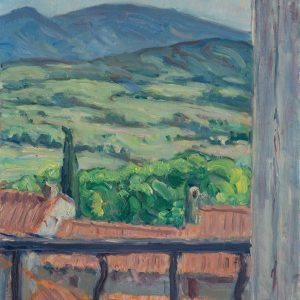
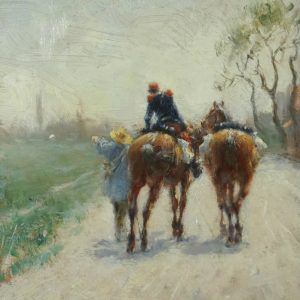
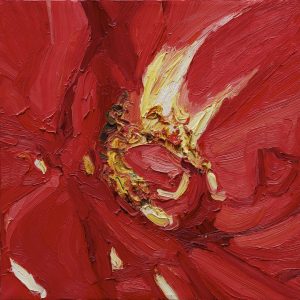
Carl Cürten studied at the Düsseldorf Art Academy and was initially influenced by Rhenish Impressionism. He traveled through Germany, the Netherlands, Belgium, southern France (Provence), Italy, Yugoslavia, Spain, Portugal and Algeria. In 1918 he received an invitation to join the artists’ association Junges Rheinland, of which he was a member until 1923, when he formed the Rhine Group with Arthur Kaufmann, Adolf Uzarski, Jankel Adler, Gerd Arntz, Theo Champion, Werner Heuser, Heinrich Hoerle and others. In 1928 he was then a member of the Rhenish Secession, which had formed from both groups. In 1926 he created paintings for the Düsseldorf Planetarium and a year later he was in Brazil to paint the ceremonial rooms of the German club “Germania” in São Paulo. He was also a member of the Künstlerverin Malkasten , from which he resigned in 1931 in protest against the National Socialist-minded members. He was a member of the secessionist Düsseldorf Club of Artists until 1933, which was dissolved after his Hitler parodies. During World War II he was called up as a lieutenant to North Africa. Through his travels, Cürten painted vibrant Mediterranean towns, coastal landscapes and people. He also produced works depicting scenes from the Rhineland, such as Düsseldorf’s market square, as well as still lifes. The majority of his works were destroyed during the Second World War.
Works by Cürten can be found in both private and public collections in Düsseldorf and Tokyo.
Works by Cürten can be found in both private and public collections in Düsseldorf and Tokyo.